
What is graphic design?
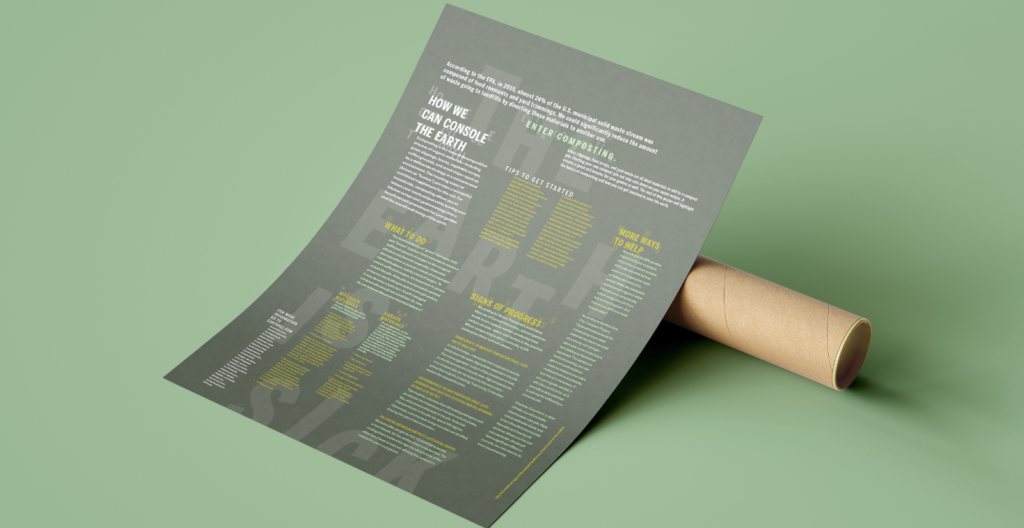
Graphic design is the art of composing visual elements — such as images, colors, and shapes — to communicate information or convey a message effectively. Designing the layout of a magazine, creating a poster for a theatre performance, and designing packaging for a product are all examples of graphic design.
In fact, almost everyone today practices some form of graphic design in their daily life — whether it’s adding text to an image for social media or color-coding a spreadsheet for work. Basically, if you’re creating visual content, you’re practicing some form of graphic design.
What is the main purpose of graphic design?
The objective of graphic design is to convey or enhance a message.
Good graphic art streamlines communication. Picture a spreadsheet with data analytics. A graphic designer might use different colors to highlight which metrics are rising and which are dropping, making it easier for the viewer to quickly understand what’s going well and what they need to adjust.
Well-executed graphic design can also elicit an emotional response from the viewer or even motivate them to take action. The “sign up” page on a website, for example, typically entices visitors to join an email list or start a free trial. Meanwhile, food packaging design aims to make the food inside seem more appealing to eat.
05 types of graphic design
These 05 fields highlight the wide range of opportunities in graphic design.
1. Brand and visual identity design
Brand and visual identity design are closely related aspects of graphic design; visual identity design is a subset of brand design.
Brand design is the practice of setting guidelines and best practices for a company to use across all branded materials to ensure a consistent brand identity. It encompasses a broad scope — a brand, its audience, and its strategy — whereas visual identity design focuses on specific visual elements or components within a brand’s design.
Brand designers help brands or companies strategically communicate and appeal to an audience.
This process involves defining a brand’s identity, mission, messaging, and values and translating them into personality with a specific voice and tonality, as well as visual identity.
Once a brand or company determines their brand design, a brand designer can hone in on the visual components and elements that will represent the brand — its visual identity design. This design includes anything from determining color schemes and palettes to logo design, typography, iconography, graphics and imagery, graphics and imagery styles, applications (where to apply these visual designs; think business cards, websites, packaging, and other touchpoints), and lastly, brand guidelines.
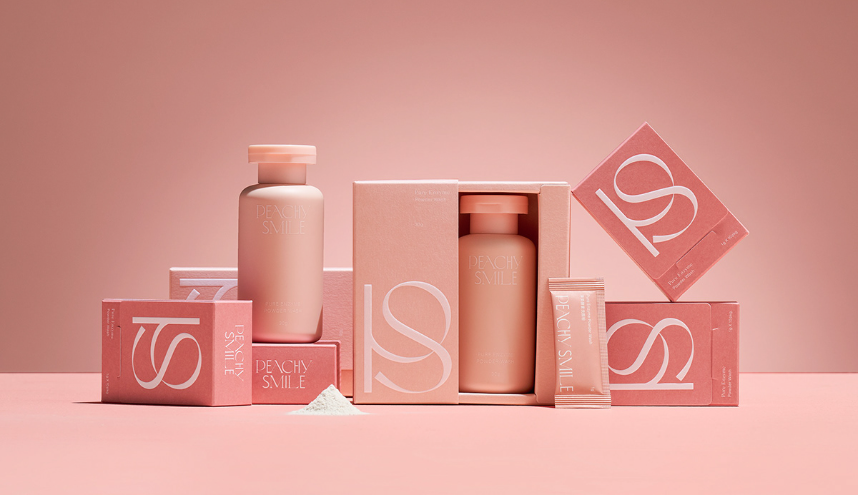
Brand design work includes but is not limited to:
- Designing logos and setting clear guidelines for how to use them
- Designing letterhead, icons, and various illustrations
- Selecting brand colors and setting clear guidelines for their use
- Creating or selecting fonts and typography guidelines
- Creating templates that follow the brand guidelines and that marketing, growth, and other teams can use
- Packaging design and graphics for product design
2. Marketing design
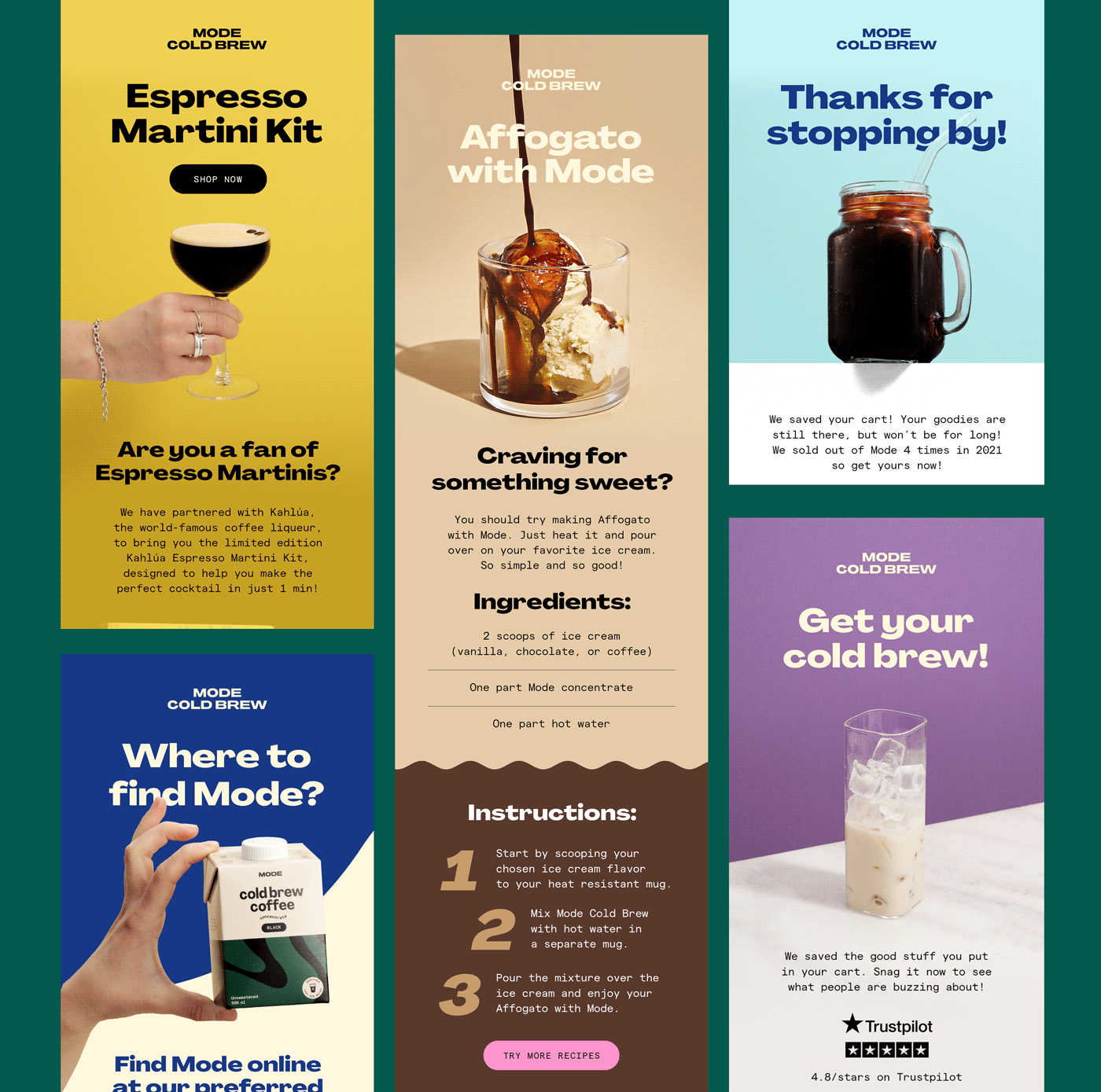
Marketing design is graphic design for marketing initiatives. Marketing designers may work on smaller, one-off projects such as promotional emails, and on larger multi-faceted projects such as ad campaigns, seasonal campaigns, or designing boothsand handouts for conventions and tradeshows.
Marketing design can include:
- Social media campaigns
- Email marketing campaigns
- Newsletters
- Billboards and other signage
- Posters
- Print ads
- Trade show booths and other materials
- Physical mailers
- Web and mobile assets
Marketing design uses the guidelines and messaging set by brand designers to communicate a specific message for a single campaign, asset, or platform. Let’s take a look at a few campaign and asset examples.
3. Web design
While many graphic artists design visual elements for a brand’s websites, it’s important to note that web design is not the same as graphic design.

Designing a great website is a multidisciplinary undertaking as websites are interactive rather than fixed assets like brochures or magazines. You need graphic design skills as well as experience with user experience (UX) and user interface (UI) design, which is why teams of multiple professionals with complementary skill sets typically design websites.
Web designers may work on projects including:
- Creating icons and buttons
- Designing web page layouts
- Creating various interactive design elements on a website
- Optimizing visual elements for all devices (desktop, mobile, etc.)
- Working with web development, UX, UI, and marketing design teams to improve the overall experience for site visitors
Plenty of graphic designers are also web designers with knowledge of UX design and create beautiful websites and mobile apps without the support of a large team. With the help of platforms like Webflow, designers can create stunning interactive websites without needing extensive knowledge of coding
4. Type design
Some graphic designers specialize in creating or selecting typography, typeface, or fonts.
Type design can include:
- Creating custom lettering and numerals
- Writing or digitally creating typography assets
- Selecting fonts and creating typography guidelines for a brand
Humans rely heavily on words to communicate messaging, so type designers collaborate on a wide array of projects. Type designers contribute to brand design by creating, selecting, or pairing fonts. It’s also common for type designers to create assets for web, marketing, product, or package design.
Here are four type design examples from:
5. Infographic design
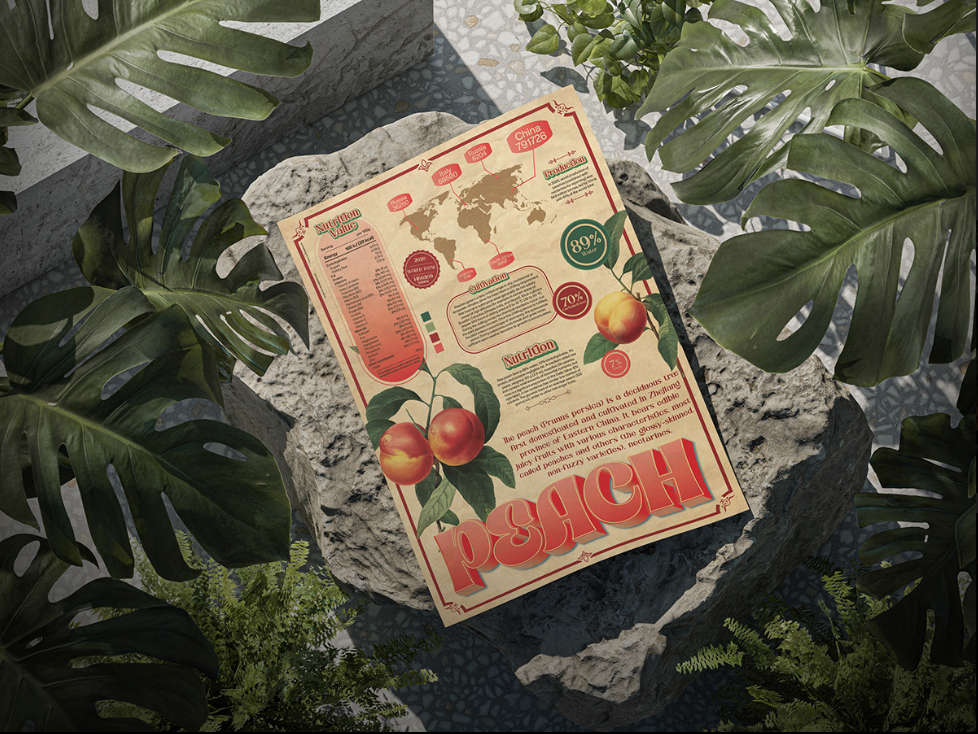
At their core, infographics are simply representations of data or information that can be consumed visually. They can take the form of 2D illustrations, interactive elements on a website, or even videos. The common thread is that they help the viewer more easily understand a large amount of information or complex concepts.
Check out this infographic by bby Pororo. Not only is it beautiful, but it is packed with everything a curious onlooker needs to know about peaches and their nutritional value.





No Comments
Leave Comment