
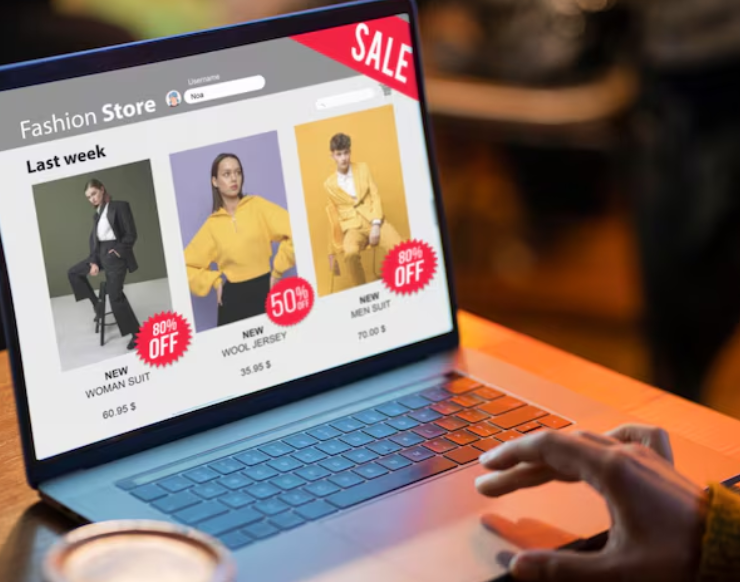
Online shopping
Online shopping or e-shopping is searching for and purchasing goods and services over the Internet through a web browser. The main allure of online shopping is that consumers can find and purchase items they need (which are then shipped to their front door) without ever leaving the house. Today, almost anything can be purchased through online shopping, amounting to billions of dollars a year in sales.
Who provides online shopping?
Today, most retail stores have a website (online store) for customers to buy from online and either ship them to their home or pick up at a nearby store location. WalMart, Best Buy, Sears, and other retail businesses offer this type of shopping experience.
Some companies only sell products through their website and do not have a retail storefront. For example, Coppel (coppel.com), Mercado Libre México, and Amazon México conduct their business exclusively online.
1.Coppel

Coppel is a nationwide department store chain and one of the 100 largest companies in Mexico. It has grown rapidly over the years and now has over 1,600 stores in Mexico, and a presence in the United States offering a wide range of products including electronics, furniture, clothing and footwear.
Coppel wanted to expand its digital sales during 2023’s Hot Sale, one of its biggest seasonal events of the year. They needed to plan and execute a strategy to anticipate peak seasonality during May/June 2023 in one of the most anticipated events for retailers in the year.
For retailers large-scale online events like “Hot Sale”, “Black Friday” or “Cyber Monday” are huge opportunities to offer promotions and increase sales. These are highly anticipated dates for consumers as usually, as aggressive discounts are usually offered. Hot Sale sales can make up a large portion of a brand’s annual goals.
However, as many retail brands concentrate a great part of their promotional budget around this specific date, competition can get hot too. User acquisition costs tend to increase significantly. To capture high demand while facing contenders, an integral communication strategy is important to deploy before, during, and after a seasonal event.

Pre-Hot Sale: While market-level costs tend to rise, this is the ideal time to start increasing budgets to acquire more users at a relatively low cost.
During Hot Sale: This is the moment when costs skyrocket due to increased competition. It’s the most crucial time in terms of demand, and brands must be present to avoid losing potential users.
Post Hot Sale: Here advertising inventory costs decrease as competition begins to wane, and investment drops. It’s a suitable time to capture users who are not being reached by the rest of the industry.
Investing strategically in these three stages within a seasonality can exceed expectations. Leveraging the low costs during the lead-up and post stages to generate brand visibility and anticipation among users for what the brand has in store during this time can be highly beneficial.
A Creative Hot Strategy
Coppel and Winclap’s creative strategy for Hot Sale turned up the heat as well. The two companies worked together to create TikTok videos that showcased Coppel’s products in a way that resonated with their target audience. This strategy helped Coppel to become a top performer during the sale.
2.Mercado Libre México

Mercado Libre, Inc. (literally “free market” in Spanish, and known as Mercado Livre in Portuguese) is a multinational company of Argentine origin based in Buenos Aires dedicated to electronic commerce in Latin America.
Users can sell and buy both new and used products at a fixed or variable price, plus private services are offered. Mercado Libre also has a service called Mercado Pago, a platform for charging buyers and payments and credits to sellers. Although their headquarters are in Argentina, their main and profitable operating markets are Brazil and Mexico, where they even operate with their own line of aircraft included.
We simplify selling online
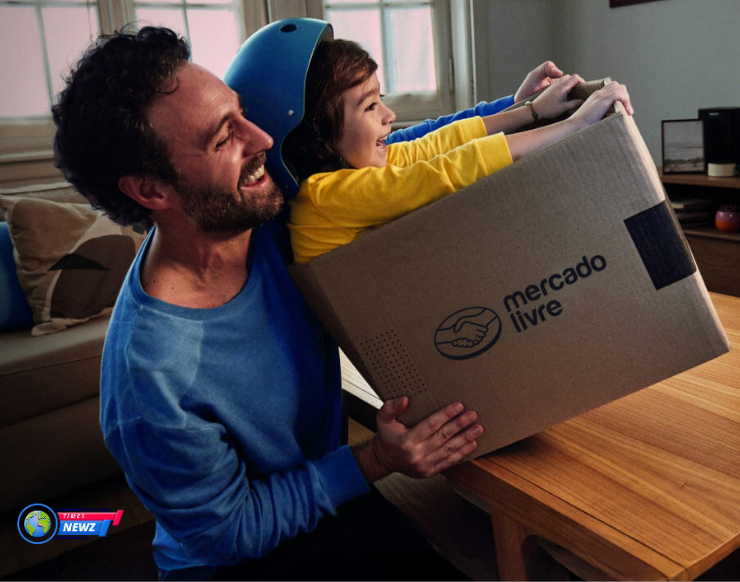
Our goal is to make e-commerce available to everyone in Latam, with a unique ecosystem and platform built to help you simplify cross-border selling. Watch the video to learn more.
Mercado Libre Global Selling, a 360° solution for your business
Multifunctional Global Selling Platform
Sell in Mexico, Brazil, Chile, Colombia, and Argentina with a single account.
International payments
List and collect your orders in USD in your bank account, while still accepting purchases in local currency.
Shipping solutions
Mercado Libre offers you different options: Mercado Envios Full warehouses and Mercado Envios Direct to consumer shipping networks.
Mercado Libre Ads
Boost your sales with our advertising solution by showcasing your products in the top search results.
3.Amazon Mexico
Amazon in Mexico, extraordinary growth awaits us
Now that we have ascertained that Mexico is a country that certainly embraces online shopping, let’s delve further into the evolution of Amazon in the country.
Let’s remember that Amazon.com.mx is Amazon’s marketplace for buyers in Mexico, and the American company entered the Mexican market in 2013, initially focusing on the exclusive sale of Kindle e-books.
Amazon began selling physical products in the country as early as 2015. In 2017, it introduced the Prime program, offering benefits similar to those provided to users in other countries, such as free shipping and access to Prime Video.
What Mexicans buy online and on Amazon
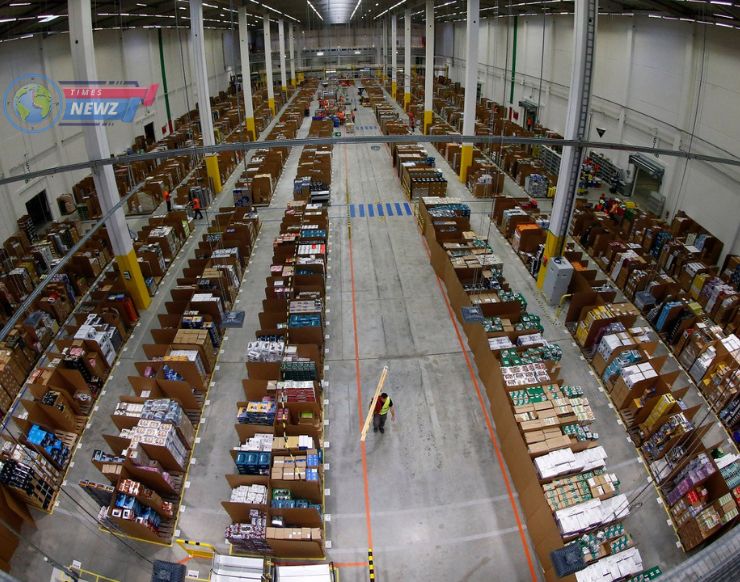
But what do Mexicans buy online and on Amazon? According to data from the same association, online purchases are predominantly headed by food products. In second place, we find:
- Fashion
- Small appliances
- Non-alcoholic beverages
- Medications
There are some market segments that are experiencing strong annual growth, despite their absolute numbers are lower than the sectors mentioned above. This is the case for auto parts and electronic products, which have grown by almost 50% compared to the previous year.
For who wants to learn more, we point out the recently published AMVO report on online
Online marketing in Mexico, key events on the calendar
Similar to much of the world, the highest number of e-commerce sales in Mexico is concentrated during the December holidays. Following in order of relevance on the calendar, we have “El Buen Fin,” a promotion adopted by most Mexican retailers in mid-November, which originally started as a weekend event and then evolved into a promotion lasting a whole week.
Representing very important moments for e-commerce sales in Mexico, we also have:
- Black Friday
- Hot Sale, an initiative by the AMVO itself, inviting e-commerce sellers to offer significant discounts at the end of May/beginning of June
- Cyber Monday
- Mother’s Day





No Comments
Leave Comment